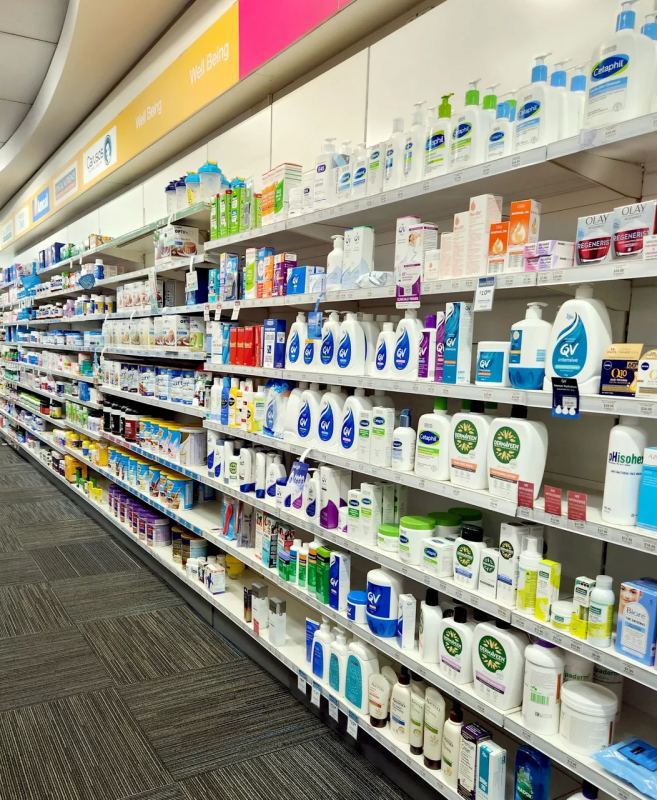
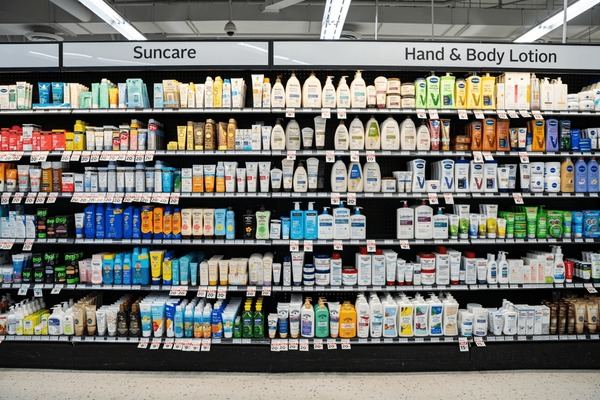
In Australia belongs sun for many completely self-evident to the everyday life – at the sport, at the beach, on the way to school or also simply at the gardening. At the same time is the UV exposure here higher than in many other parts of the world. This is an important reason, why skin protection not only in high summer is a topic, but the whole year over. Just because sunny days often feel pleasant, is easily underestimated, how quickly the skin can take damage. A good sun protection is therefore no exaggerated caution, but a sensible part of the health care.
Why the sun in Australia is a special health risk
Australia has one of the highest skin cancer rates worldwide. According to Australian health organizations, skin cancer is diagnosed in about two of three Australians by the age of 70. Particularly common are basal cell carcinomas and squamous cell carcinomas, but also melanoma plays an important role, because it can progress more aggressively.
The main reason for this is the strong ultraviolet radiation. Australia lies geographically so, that the UV values are often high to extremely high. To that come many cloudless days and a lifestyle, that takes place much outdoors. Important is: Not the temperature decides over the risk, but the UV radiation. Even on cooler, windy or cloudy days can the skin be damaged.
UV radiation can change the genetic material of the skin cells. The body can repair part of these damages, but not unlimited. Repeated sunburns – especially in childhood and youth – significantly increase the later skin cancer risk. Also premature skin aging, pigment changes and a weakened skin barrier are related to too much sun.
Practical steps for daily sun protection
In everyday life, sun protection does not have to be complicated. The best works a combination of several measures, instead of relying only on sunscreen.
- Use shadow: Especially between 10 and 15 o'clock is the UV radiation often particularly intense.
- Wear protective clothing: Long-sleeved, tightly woven clothing protects the skin often more reliably than sunscreen alone.
- Put on a hat: A wide-brimmed hat protects face, ears and neck better than a cap.
- Wear sunglasses: A well-fitting glasses with suitable UV protection helps to protect the eyes and the sensitive skin around.
- Correctly apply sunscreen: Recommended is in Australia usually a broad-spectrum sun protection with SPF 30 or higher, water-resistant, generously applied and regularly renewed.
Many people apply too little sunscreen. For the whole body of an adult, approximately 35 mL is needed – that corresponds to about seven teaspoons. Especially often forgotten are ears, neck, lips, backs of the feet and the scalp with light hair. In the pharmacy, one can get advice on which formulation is suitable for one's skin type, children's skin, sensitive skin or sports activities.
What the UV index means – and why it remains important in winter
The UV index describes the strength of the sunburn-effective UV radiation. In Australia, it is recommended to use sun protection when the UV index is 3 or higher. In many regions of the country, this value is reached not only in summer, but also on numerous days in spring, autumn and even in winter.
This explains why "no bathing weather" does not automatically mean "no sun risk". If one works outside all day, goes for a walk with the dog, stands on the sports field or drives longer distances in the car, the UV exposure accumulates. Water, sand, concrete and even grass can additionally reflect UV rays. Even at higher altitudes, the exposure is often stronger.
People with fair skin, many moles, family history or a previous skin cancer disease must be particularly attentive. But also darker skin types are not completely protected. Although the risk for sunburn is often lower, UV damage and skin cancer can still occur and are sometimes recognized later.
This way, sun protection remains really implementable in everyday life
The best sun protection is the one that one applies regularly. Therefore, it is worth developing simple routines that fit one's own everyday life.
- Store sunscreen readily: For example, in the bag, in the car, at the workplace or next to the front door.
- Plan in the morning: Sun protection should be applied about 20 minutes before staying outdoors.
- Don't forget to reapply: At least every two hours as well as after swimming, heavy sweating or drying off.
- Protect children specifically: Babies should be exposed to direct sun as little as possible. For children, clothing, shade and age-appropriate products are particularly important.
- Pay attention to expiration date and storage: Heat can affect sunscreen, especially if it has been in a hot car for a long time.
Pharmacists play a practical role here. They help in the selection of products for sensitive skin, acne-prone skin, rosacea or eczema and can explain how sun protection can be combined with other skin care products. Also for questions about lip care with UV protection, after-sun products or sun protection for people with medication-induced light sensitivity, the pharmacy is a sensible contact point.
Who should be particularly careful
Some groups have an increased risk for UV-related skin damage. These include people with very fair skin, red or blonde hair, freckles or a tendency to sunburn. Also persons with many or conspicuous moles as well as people with weakened immune system should take consistent skin protection seriously.
Certain medications can increase light sensitivity. These include among others some antibiotics, retinoids, diuretics and some anti-inflammatory or herbal preparations. Anyone who takes a new medication and reacts unusually quickly to the sun should ask a doctor or in the pharmacy.
Also outdoor workers are particularly affected in Australia. Construction workers, gardeners, farmers, delivery persons or sports trainers often accumulate a lot of UV exposure over the years. Here, not only sun protection on the weekend is important, but above all during working hours.
Practical skin check: What you can pay attention to yourself
In addition to daily protection, it is sensible to observe one's skin regularly. A self-examination does not replace a medical examination, but can help to notice changes early. It is best to look at the skin in good light from head to toe – also back, soles of the feet, between the toes and the scalp, as far as possible.
- New spots or nodes that were not there before
- Moles that change in size, shape or color
- Areas that peel, bleed or do not heal
- Skin changes that itch, hurt or repeatedly crack
- A spot that looks clearly different from others (“ugly duckling” principle)
In the pharmacy, general information can be given about skin observation, sun protection and the selection of suitable care products. However, an assessment of suspicious skin changes belongs in medical hands. This applies particularly if something changes quickly or persists for several weeks.
When you should see your doctor
Have your skin checked by a doctor if you notice a new or changing skin spot, if a mole looks irregular or if a wound does not heal within a few weeks. Also repeated bleeding, crusting, persistent itching or pain at a skin change should be clarified.
Anyone who has already had skin cancer, has many conspicuous moles or carries an increased familial risk should discuss with the doctor how often skin checks are sensible. After severe sunburns, especially in children, medical advice may also be appropriate.
This information is meant to help better assess risks and to protect the skin meaningfully in the Australian everyday life. They do not replace a diagnosis and no individual medical assessment.
This information is for general purposes only and does not replace professional medical advice.